Baba Amte: The Champion of Social Justice
Early Life and Background
- Birth: Born as Murlidhar Devidas Amte on December 26, 1914, in Hinganghat, Maharashtra.
- Family: Came from a wealthy Brahmin family
- Education: Pursued a law degree and began practicing as a lawyer.
- Shift to Social Work: Despite his affluent background, he was deeply moved by the plight of the poor, leading him to abandon his legal career for social service.
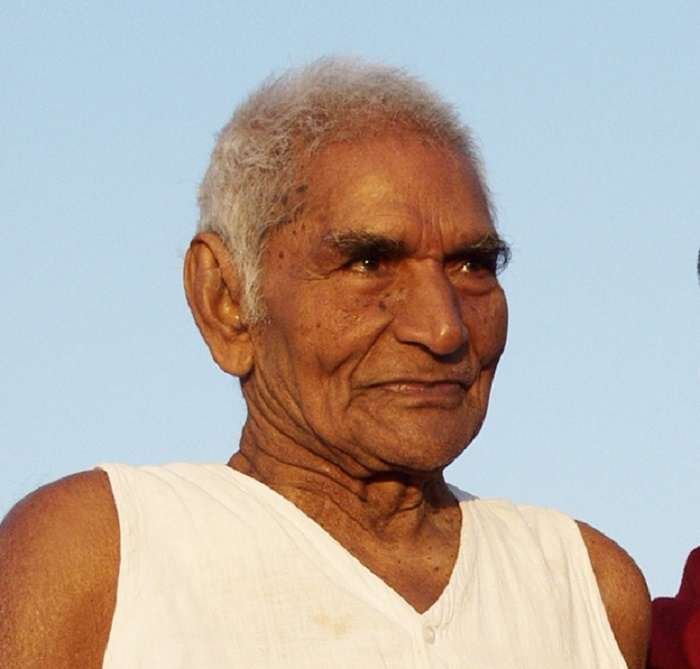
Baba Amte
Work with Leprosy Patients
- Founding of Anandwan: In the 1940s, he established the Anandwan (meaning "Forest of Joy") ashram in Warora, Maharashtra.
- Mission: Anandwan was created as a rehabilitation center for leprosy patients and other socially ostracized individuals.
- Self-Sustaining Community: Residents were treated for their ailments and provided with opportunities to learn skills and earn a livelihood.
- Focus on Dignity: Baba Amte’s work at Anandwan aimed to restore dignity and self-respect to those marginalized by society.
Broader Contributions and Legacy
- Social Justice Advocate: Advocated for the rights of tribals and landless laborers.
- Environmental Activism: Actively participated in movements against projects like the Narmada Dam, which threatened to displace people.
- Gandhian Principles: Influenced by Mahatma Gandhi’s principles of non-violence and self-reliance. Prolific Writer and Thinker: Authored several works and was a voice for social change.
Awards and Recognition
- Padma Shri (1971)
- Ramon Magsaysay Award for Public Service (1985)
- Padma Vibhushan (1986)
- Gandhi Peace Prize (1999)
- Templeton Prize (1990)
Personal Life
- Marriage: Married to Sadhana Amte, who was a lifelong partner in his social work.
- Children: Two sons, Vikas and Prakash Amte, who continue his legacy.
Death and Legacy
- Passing: Baba Amte passed away on February 9, 2008, in Anandwan, Maharashtra.
- Ongoing Legacy: Anandwan remains a symbol of hope and human dignity, continuing to inspire millions globally through its work and ideals